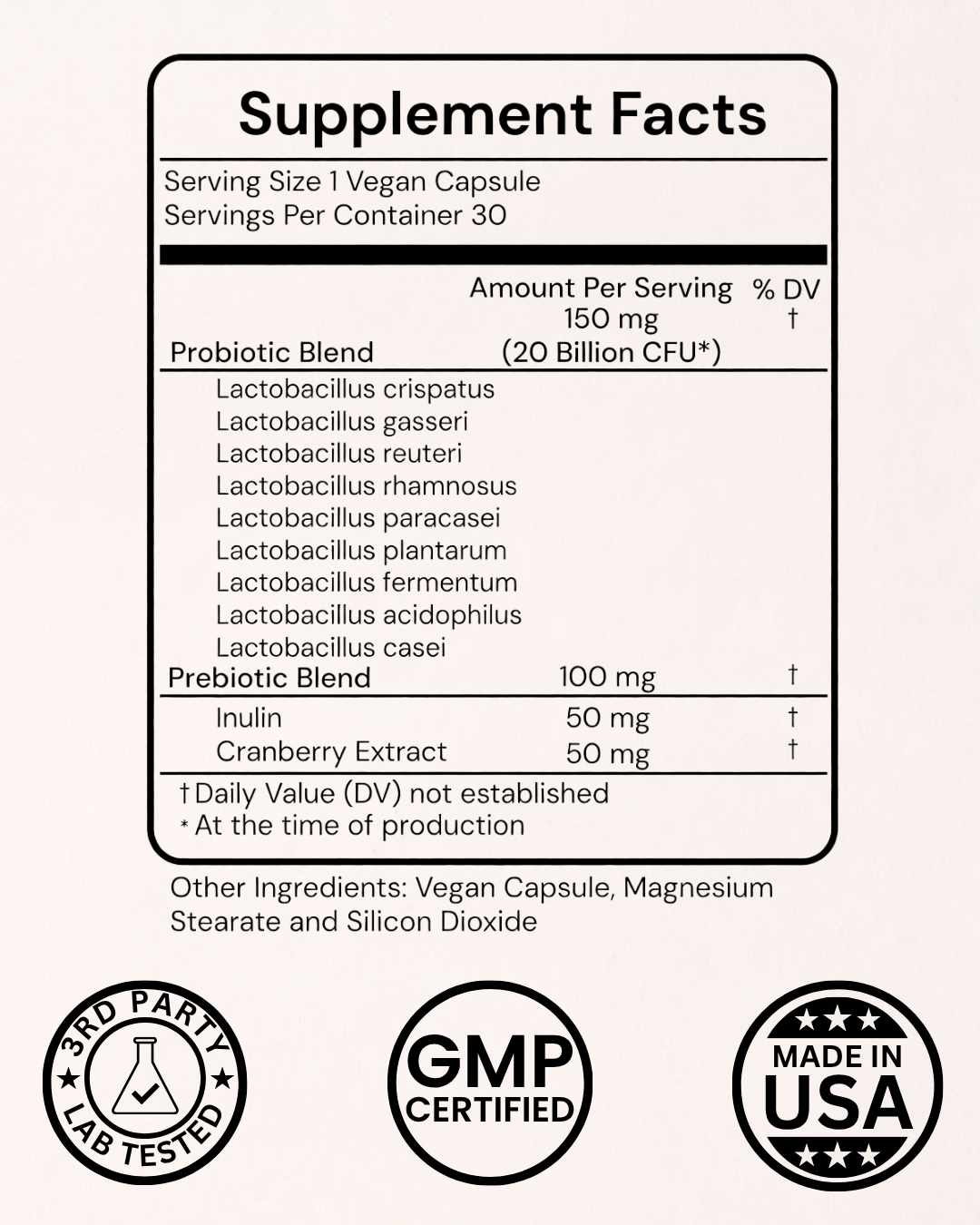
Vaginal Probiotic Benefits for Women Over 35 (Perimenopause and Menopause)
The Impact of Estrogen Decline on Vaginal Health and How Probiotics Can Help
As women age, their bodies undergo various hormonal changes that can affect both physical and emotional well-being. One of the most significant changes is decline of estrogen at the start of perimenopause. Estrogen plays a crucial role in many aspects of women's health, including vaginal health. But what happens when estrogen levels begin to drop and how does this affect vaginal pH? How can probiotics, particularly those containing Lactobacillus Crispatus, help support vaginal health during this time?
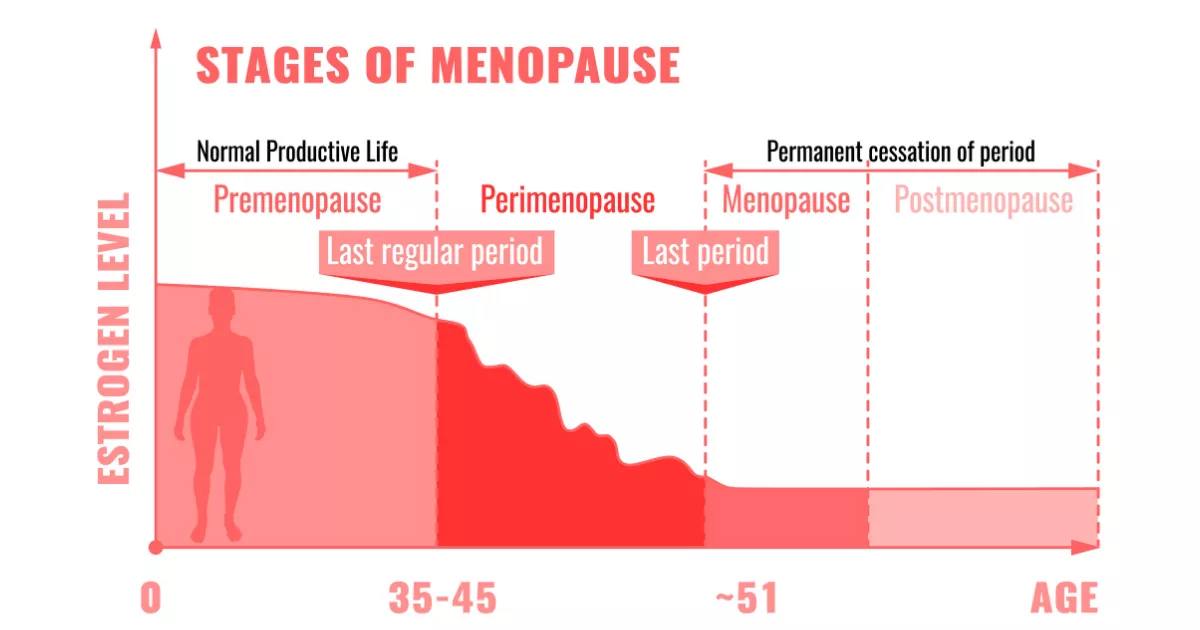
Estrogen and Vaginal Health: What Happens After 35?
Women’s estrogen levels peak around the age of 35, and from that point onward, they gradually decline[1]. This drop in estrogen becomes especially pronounced during perimenopause—the transitional phase leading up to menopause. Estrogen is essential for maintaining a healthy vaginal environment, as it helps keep the vaginal tissues thick, lubricated, and the pH level slightly acidic.
However, as estrogen levels decrease, a series of changes can occur in the vagina. One of the most significant changes is an increase in vaginal pH. A higher vaginal pH (less acidic) can have various negative effects on women’s reproductive health and overall well-being.

The percentage of women with a given pH measurement stratified by age at visit [2]

The percentage of women with a given pH measurement stratified by age [3]
How Estrogen Decline Affects Vaginal pH
Under normal conditions, the vaginal environment is naturally acidic, with a pH between 3.8 and 4.5. This acidity helps protect against harmful bacteria, infections, and even some sexually transmitted infections (STIs). But as estrogen declines with age, the vaginal tissues become thinner and drier, and the natural acidic environment becomes disrupted, causing vaginal pH to rise.
An increase in vaginal pH can have several negative outcomes, including:
- Bacterial Vaginosis (BV): The rise in pH creates an environment where harmful bacteria, like Gardnerella vaginalis, can overgrow, leading to bacterial vaginosis. BV can cause symptoms such as unusual discharge, odor, and irritation. This affects approximately 30% of women per year and half of those are asymptomatic.
- Pelvic Inflammatory Disease (PID): A higher vaginal pH can also make it easier for bacteria to ascend into the uterus, fallopian tubes, and ovaries, leading to pelvic inflammatory disease (PID), a serious condition that can cause infertility and chronic pain if left untreated.
- Increased Susceptibility to STIs: When vaginal pH becomes less acidic, it may become easier for sexually transmitted infections (STIs), to take hold. The natural defenses against pathogens become less effective, leaving women more vulnerable to infections.

Effects of supplementation of probiotics on bad bacteria in the vagina [4]
The Power of Probiotics in Supporting Vaginal Health
Given the significant role that vaginal pH plays in overall reproductive health, maintaining a healthy vaginal environment becomes even more crucial as women age. One promising solution to help manage pH levels and support vaginal health is probiotics, particularly those containing Lactobacillus strains.
Lactobacillus bacteria are a key part of the vaginal microbiome. They help keep the vagina healthy by maintaining its acidic pH and preventing the overgrowth of harmful bacteria. Probiotics containing Lactobacillus are often used to help restore balance when this ecosystem is disrupted, such as after antibiotics or hormonal changes.
Among the various strains of Lactobacillus, Lactobacillus Crispatus stands out as particularly effective for supporting vaginal health. Research has shown that Lactobacillus Crispatus can help lower vaginal pH, making the environment more acidic and thus less hospitable to harmful bacteria.
The Benefits of Lactobacillus Crispatus
Recent studies have highlighted several benefits of Lactobacillus Crispatus specifically in supporting vaginal health:
- Lowering Vaginal pH: Lactobacillus Crispatus has been shown to help lower vaginal pH, reducing the risk of conditions like bacterial vaginosis and improving overall vaginal health.
- Reducing the Proliferation of HPV: Research has shown that probiotics containing Lactobacillus Crispatus may also help reduce the proliferation of the human papillomavirus (HPV), a common sexually transmitted virus that can lead to cervical cancer. By supporting a healthier vaginal microbiome, probiotics may help reduce the risk of persistent HPV infections [5][6].
- Reducing Stress and Anxiety in Postmenopausal Women: A 2022 study found that probiotics not only improved vaginal health but also had a positive impact on mental health in postmenopausal women. The study showed that probiotics reduced symptoms of stress and anxiety, contributing to an improved quality of life for participants. This is a crucial finding, as many women experience heightened stress and emotional challenges during and after the menopausal transition[7].
Conclusion: A Holistic Approach to Vaginal and Overall Health
The decline in estrogen levels after 35, particularly during perimenopause, can significantly affect vaginal health by increasing vaginal pH making women more vulnerable to infections like bacterial vaginosis, pelvic inflammatory disease, and STIs. However, the good news is that probiotics, especially those with Lactobacillus Crispatus, can play a key role in restoring balance to vaginal pH, supporting a healthy vaginal microbiome, and reducing the risk of these negative outcomes.
Moreover, probiotics may also offer emotional benefits, including reducing stress and anxiety, and improving overall quality of life during the menopausal transition. If you are experiencing vaginal health issues or menopause-related symptoms, consider discussing probiotic supplementation with your healthcare provider to help support both your vaginal and mental health during this significant phase of life.
By embracing a holistic approach to health, which includes good nutrition, stress management, and probiotic support, you can better navigate the challenges associated with menopause.
[1] https://www.rush.edu/news/hormones-you-age
[2] https://pmc.ncbi.nlm.nih.gov/articles/PMC3292496/
[3] https://www.researchgate.net/publication/338580209_A_population-based_study_of_age-related_associations_between_vaginal_pH_and_the_development_of_cervical_intraepithelial_neoplasia
[4] https://www.mdpi.com/2076-3417/11/3/902#
[5] https://infectagentscancer.biomedcentral.com/articles/10.1186/s13027-022-00465-9#Abs1
[6] https://www.aging-us.com/article/206032/text
[7] https://www.sciencedirect.com/science/article/abs/pii/S2405457722002972