Benefits of Vaginal Probiotics for Black Women
Understanding Unique Microbiome Patterns in Black Women
Research has found that Black (and Hispanic) women in the U.S. are less likely to have a Lactobacillus-dominant vaginal microbiota (around 60 to 62%) compared to White and Asian women (around 80 to 90%) Today's Dietitian. Additionally, healthy Black and Hispanic women are more likely to exhibit a more diverse vaginal microbiome comprised of other lactic acid–producing bacteria such as Atopobium, Leptotrichia, Leuconostoc, Megasphaera, Pediococcus, Streptococcus, and Weissella Wikipedia.
Why This Diversity Matters
While these non-Lactobacillus species can help maintain vaginal health, they may offer less resilience against disturbances like menses or antibiotic use, potentially increasing susceptibility to conditions such as bacterial vaginosis (BV) or sexually transmitted infections Wikipedia. This may in part explain why Black women are at higher risk for such issues.
Lactobacillus crispatus: A Key Player in Vaginal Health
Species like Lactobacillus crispatus are considered “keystone” bacteria in a healthy vaginal ecosystem. They produce lactic acid (which lowers pH), hydrogen peroxide, and bacteriocins, all of which help inhibit harmful pathogens and support vaginal health Wikipedia+1. Lower vaginal pH creates an environment that resists infections.
Specifically, L. crispatus is a potent producer of lactic acid and hydrogen peroxide. Clinical studies have shown it effectively reduces recurrence of bacterial vaginosis when used orally or intravaginally Wikipedia.
Average Vaginal pH in Black Women
Studies have found that the vaginal pH of healthy Black women tends to be slightly more alkaline than that of other ethnic groups. One report detailed median vaginal pH as approximately 4.7 ± 1.04 in Black women and 5.0 ± 0.74 in Hispanic women—both notably higher than the typical “healthy” pH range of 4.0 to 4.5 ScienceDirect. Additionally, research has highlighted that while White and Asian women are more likely to have a Lactobacillus-dominant microbiome, particularly L. crispatus, Black and Hispanic women often have more diverse vaginal microbiomes and correspondingly higher pH levels. Higher average pH levels in Black women may help explain the increased susceptibility to infections such as bacterial vaginosis (BV), which thrive in less acidic conditions.

Probiotics to the Rescue
-
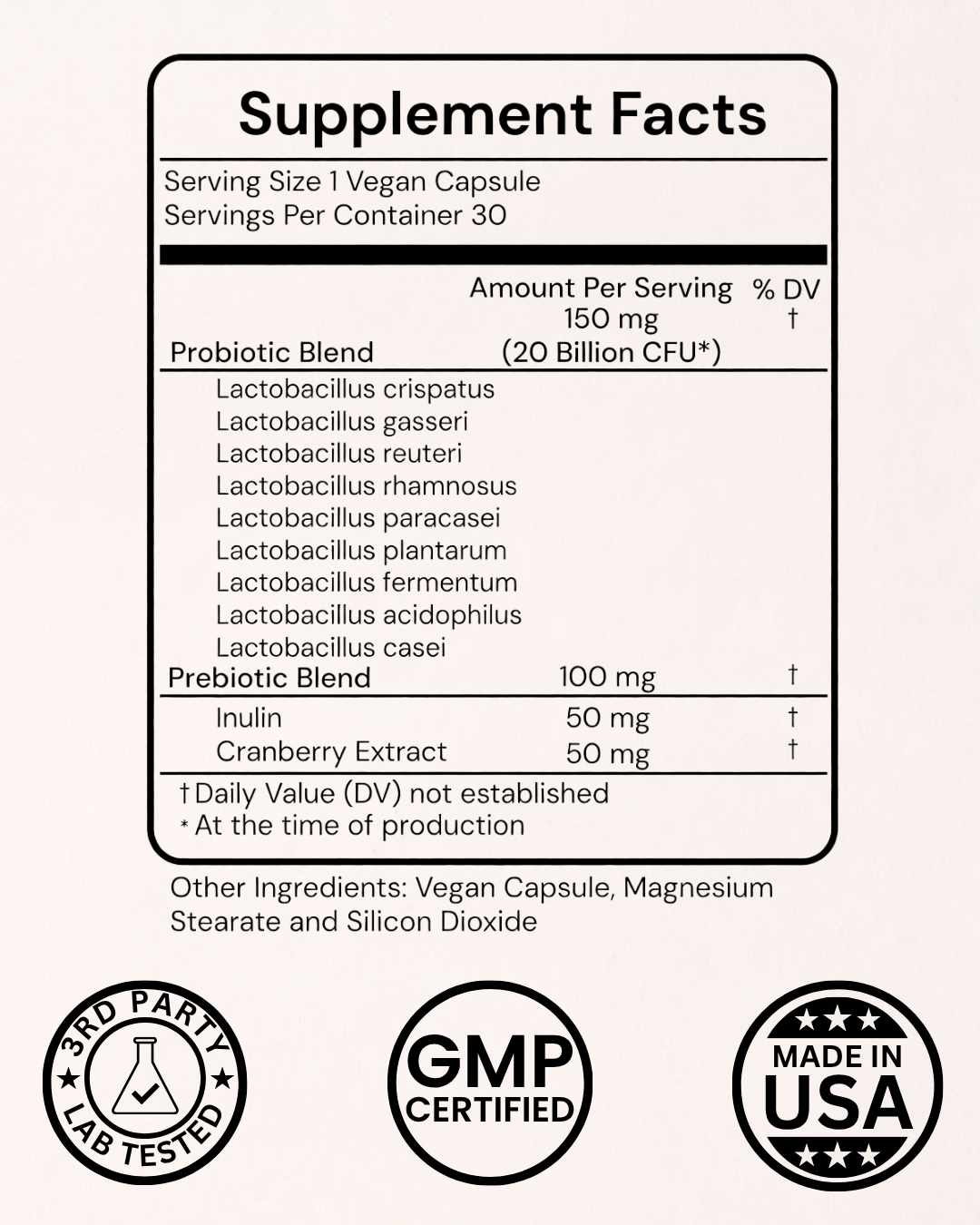
Oral probiotics containing L. gasseri and L. crispatus have demonstrated the ability to restore a healthier vaginal microbiome within just 30 days in controlled trials Designs for Health.
-
These strains help rebalance the vaginal flora toward a protective acidic state, effectively reducing overgrowth of harmful bacteria and lowering pH—a favorable environment for vaginal health.
Why This Matters for Black Women
Because Black women are statistically less likely to have a Lactobacillus-dominated microbiome, targeted probiotic supplementation (especially with L. crispatus) may help restore a more protective balance, potentially reducing risk for BV, yeast infections, and related complications.
| Issue | Why Probiotics Help |
|---|---|
| Lower natural Lactobacillus levels in Black women | Probiotics can help replenish protective bacteria |
| Microbiome diversity may reduce resilience | Targeted strains improve stability and disease resistance |
| Importance of low vaginal pH | L. crispatus and others produce lactic acid to maintain acidity |
| Proven results | Clinical evidence supports using L. crispatus and L. gasseri to restore healthy flora |
So, What's the Bottom Line?
Incorporating vaginal probiotics, especially those with L. crispatus, may offer significant benefits for Black women by helping restore protective bacterial communities, supporting a healthy pH, and reducing infection risks.